The Breath of Natural Materials
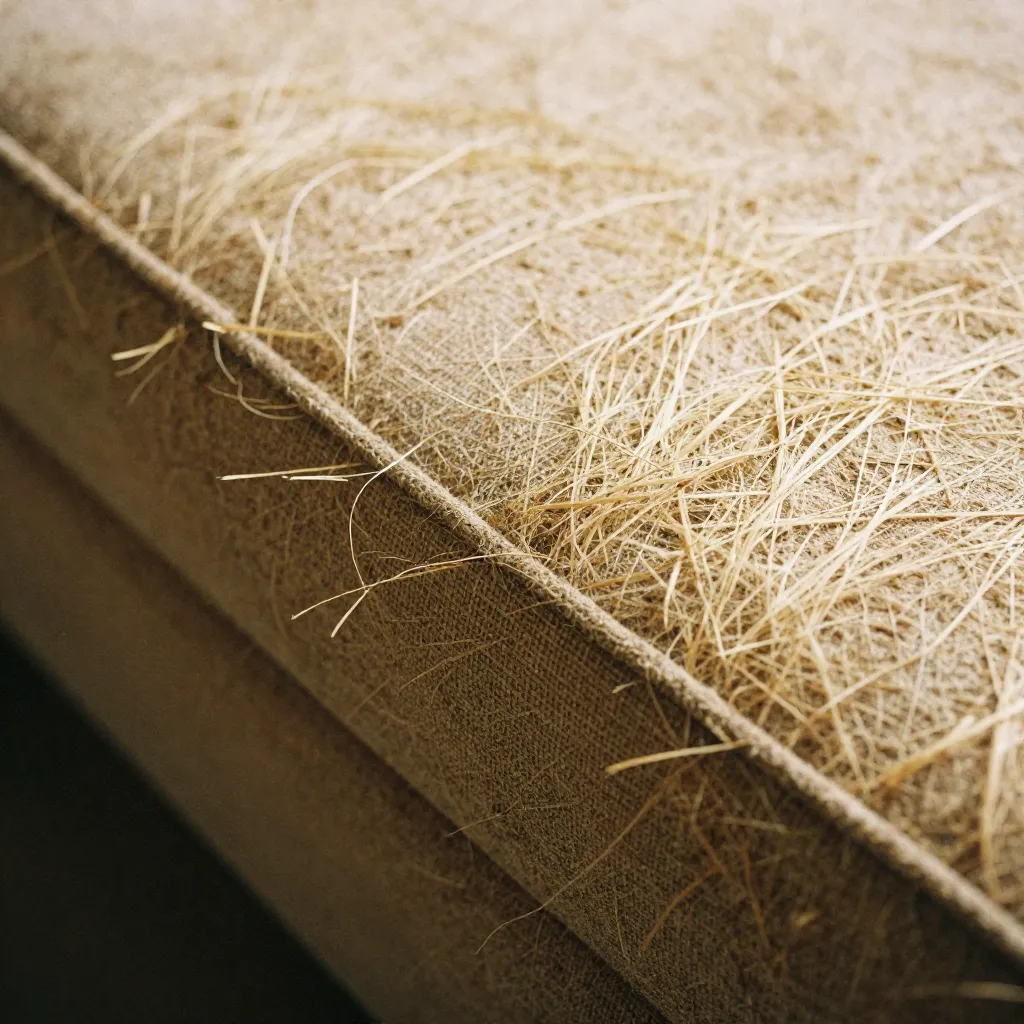
One of the most distinctive qualities of natural upholstery is its ability to "breathe." This isn't just a metaphor—natural materials actively exchange air and moisture with their environment, creating a living, responsive surface.
The Scent Profile
Natural materials carry subtle scents that become part of your home's character. Wool has a gentle, earthy aroma reminiscent of dried hay and clean sheep. Horsehair carries an even subtler scent, barely noticeable but adding to the overall sense of natural quality.
Scents that fade into comfort
These scents are not overpowering or unpleasant—they're the natural fragrance of clean, well-processed materials. Over time, they fade into the background, becoming part of the furniture's character rather than a noticeable presence.
Temperature Regulation
Natural materials excel at temperature regulation. Wool, with its natural crimp creating air pockets, provides insulation that keeps you warm in winter and cool in summer. This natural thermoregulation means you're comfortable year-round without needing to adjust your seating.
In contrast, synthetic foam can feel cold and unyielding in winter, while trapping heat uncomfortably in summer. The difference becomes especially noticeable during extended sitting sessions.
The Texture Experience
Horsehair: Firm Yet Yielding
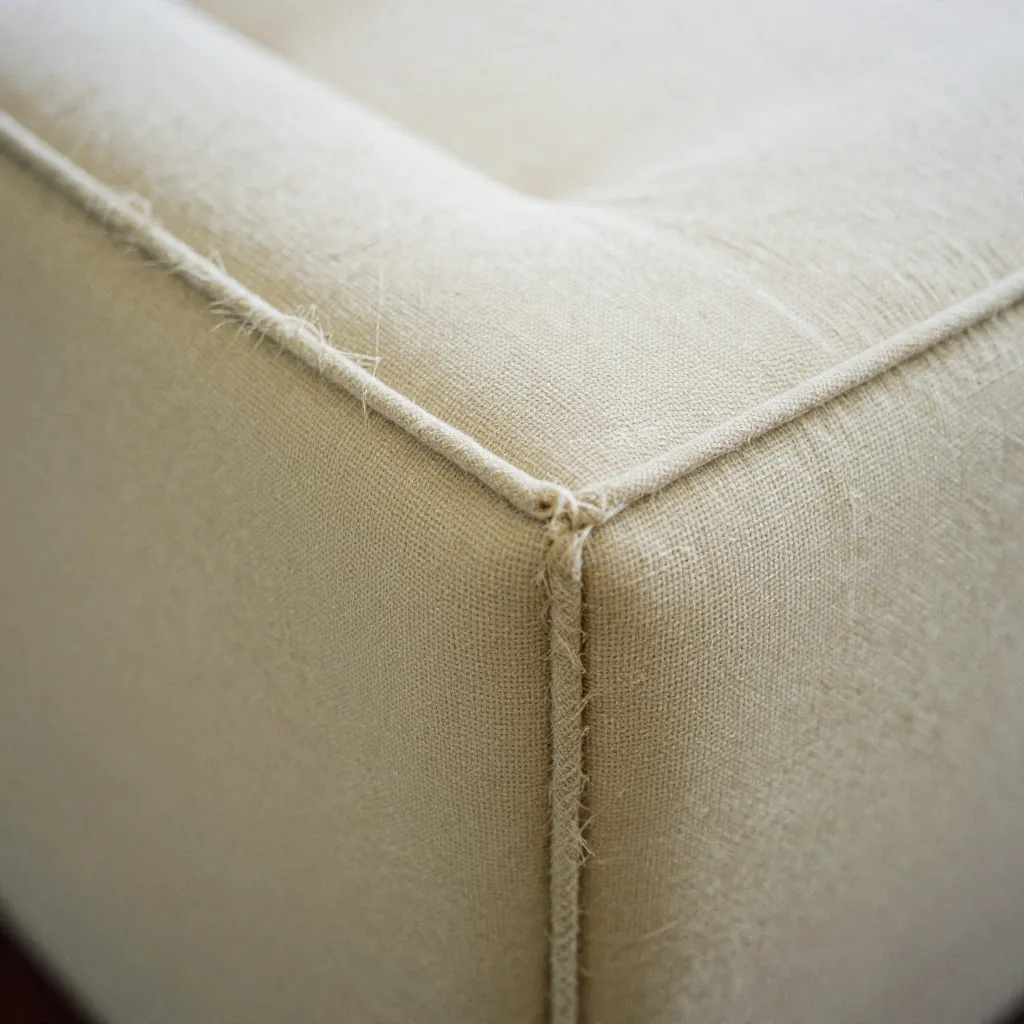
Horsehair provides a unique texture experience—firm enough to offer support, yet yielding enough to conform to your body. When you press into horsehair-padded furniture, you feel the individual strands working together, creating a responsive surface that adapts to your shape.
This texture is completely different from foam, which feels uniform and dead. Horsehair has life and movement, responding to pressure in a way that feels natural and organic.
Texture that responds
Natural vs. Synthetic: A Sensory Comparison
Breathability
Natural materials allow air to circulate freely, preventing the buildup of heat and moisture. This creates a comfortable seating surface that stays fresh even during extended use. Synthetic materials trap air and moisture, creating an uncomfortable environment.
Temperature Feel
Natural materials feel neutral to the touch, neither cold nor overly warm. They adapt to your body temperature quickly, creating immediate comfort. Synthetic materials often feel cold initially and can trap heat uncomfortably.
Moisture Management
Natural fibers wick moisture away from the surface, keeping you dry and comfortable. Wool and coconut coir excel at this, preventing the clammy feeling common with synthetic materials that trap moisture against your skin.
The Finnish Home Experience
In Finnish homes, where natural materials have been used for generations, furniture becomes part of the living environment in a way that synthetic furniture cannot match. Natural upholstery regulates humidity naturally, contributing to a healthy indoor environment.
The breathability of natural materials means they don't trap allergens or dust mites the way synthetic materials can. This creates a healthier living space, especially important for those sensitive to indoor air quality.
Furniture that contributes to well-being
This natural regulation extends beyond comfort to actual environmental benefits. Natural materials help maintain balanced humidity levels, preventing the dry air common in heated homes during winter months.
The Evolving Sensory Experience
One of the most remarkable aspects of natural upholstery is how its sensory qualities evolve over time. As materials settle and conform to use, they become more comfortable, not less. The texture softens slightly, the materials become more responsive, and the overall experience improves.
This is the opposite of synthetic materials, which degrade over time, becoming less comfortable and less supportive. Natural materials age gracefully, developing character and comfort that synthetic alternatives cannot match.