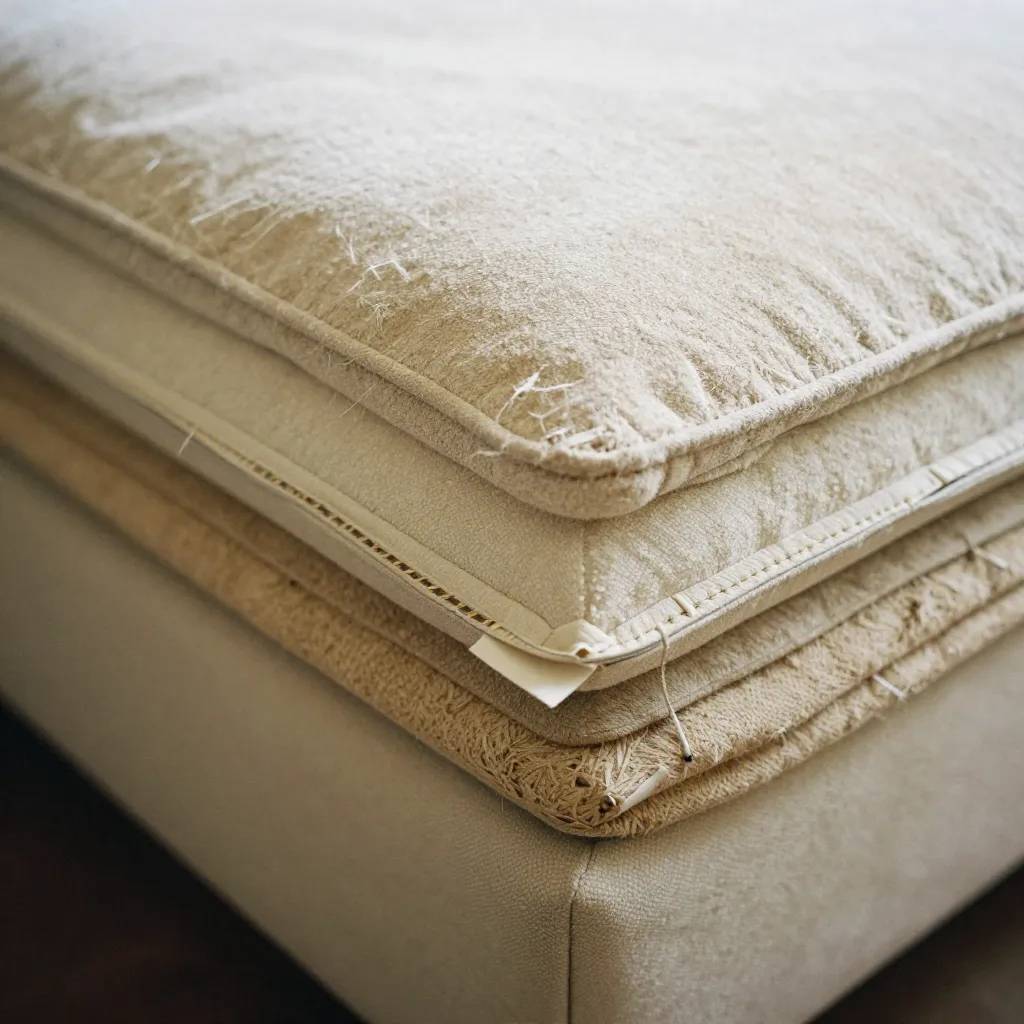
Curled Horsehair: The Springy Foundation
Horsehair comes from the manes and tails of horses, where each strand naturally forms a tight curl. This natural curl is what gives horsehair its remarkable springiness—a quality that synthetic materials struggle to replicate.
When processed for upholstery, the hair is cleaned, sorted, and sometimes curled further to enhance its natural properties. The result is a material that compresses under weight but immediately springs back to its original shape when released.
Nature's perfect spring
This resilience means furniture padded with horsehair maintains its comfort and support for decades, unlike foam that compresses permanently over time.
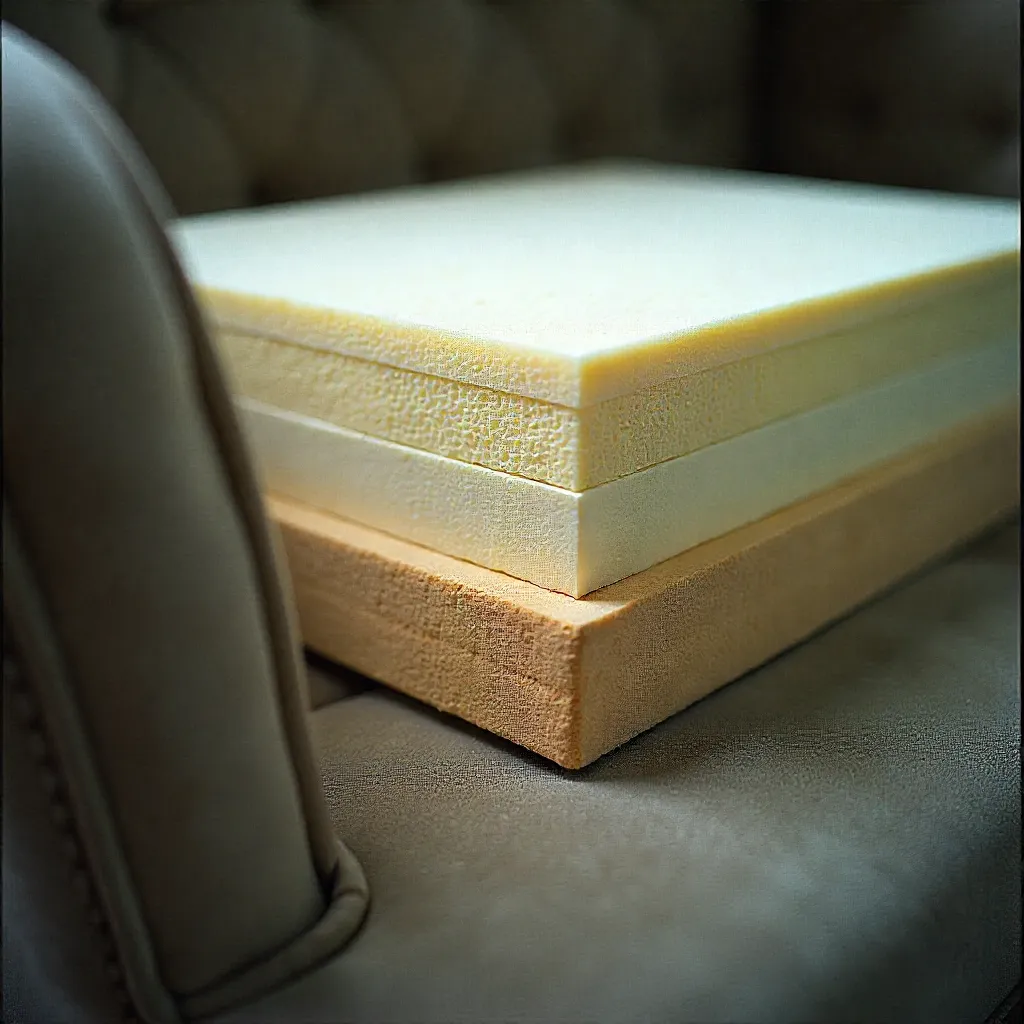
Coconut Coir: Moisture-Wicking Structure
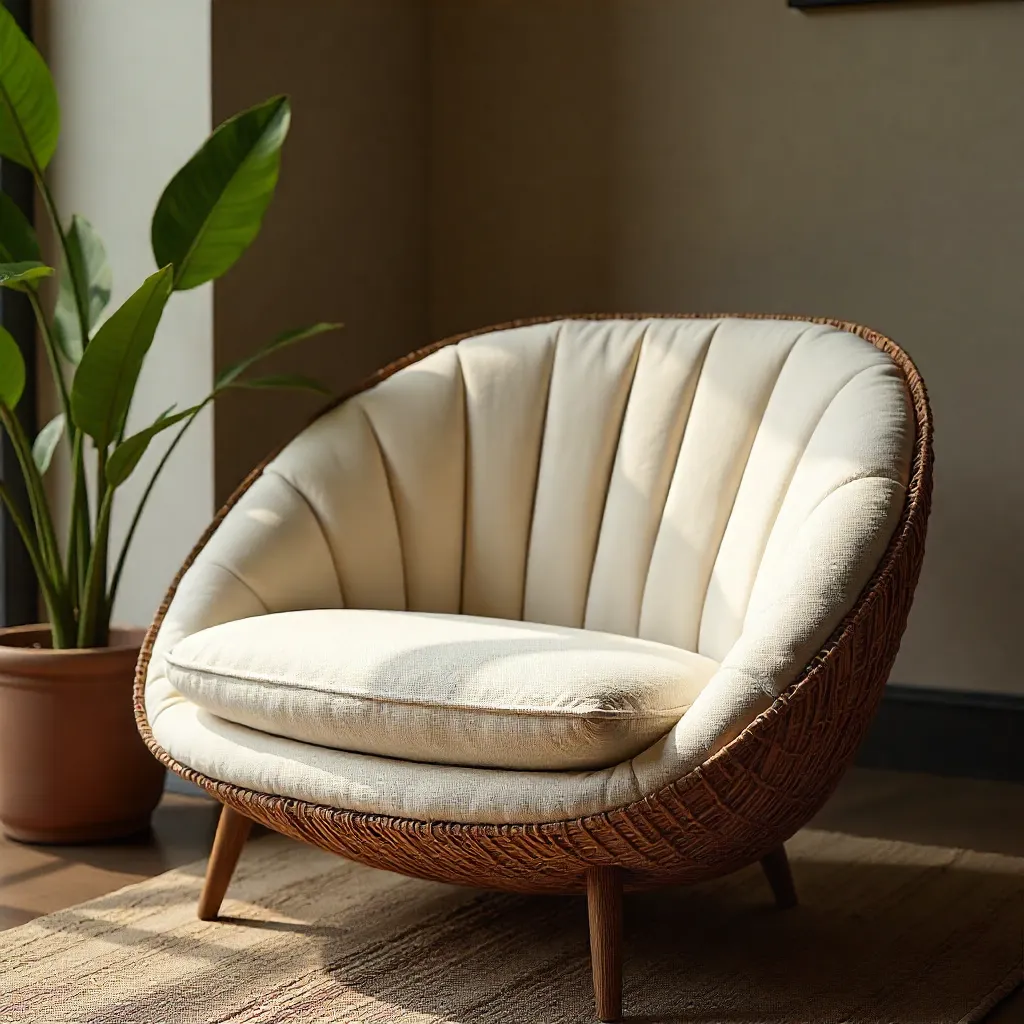
Coconut coir comes from the fibrous husk of coconuts, a byproduct of the coconut industry. This makes it both sustainable and abundant. The fibers are naturally hollow, which gives coir its excellent moisture-wicking properties.
Unlike synthetic foam that traps moisture and can develop unpleasant odors, coconut coir allows air and moisture to pass through. This breathability prevents the buildup of humidity that can damage furniture frames and create uncomfortable seating conditions.
Breathing naturally
The firm structure of coir provides excellent support while remaining flexible enough to conform to the shape of springs beneath it. This combination of firmness and flexibility makes it ideal for the middle layers of upholstery padding.
Needled Wool: The Comfort Layer
Wool used in upholstery comes from sheep, where it naturally provides insulation and moisture regulation. The wool is processed through a needling technique that interlaces the fibers without using adhesives, creating a stable yet breathable mat.
The natural crimp in wool fibers creates tiny air pockets that provide both cushioning and insulation. This means wool-padded furniture feels warm in winter and cool in summer, adapting to your body temperature naturally.
Comfort that adapts
Unlike synthetic materials that can feel cold and unyielding, wool has a natural softness that becomes more comfortable with use. The fibers gradually conform to the shape of the person sitting, creating a personalized seating surface.
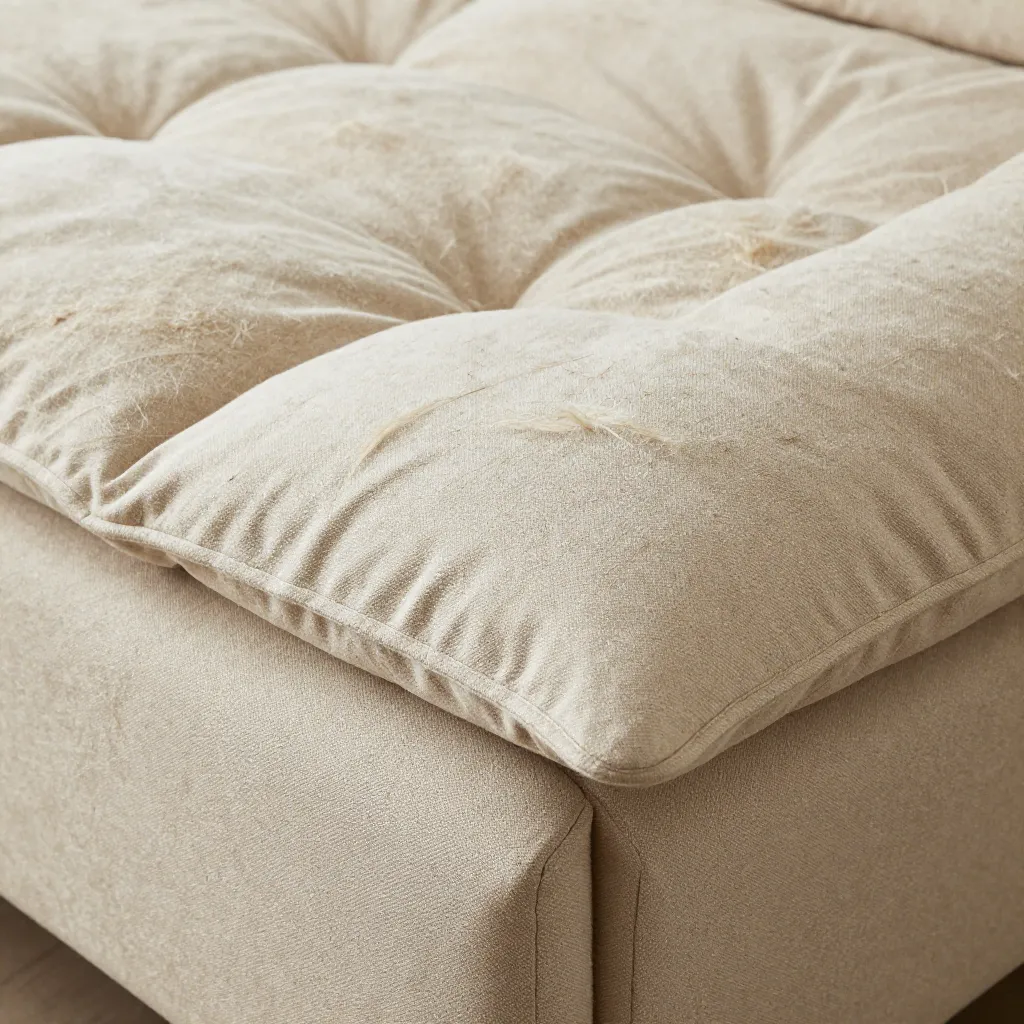
The Synthetic Comparison
Understanding natural materials becomes even more important when compared to synthetic alternatives. Foam padding, while initially comfortable, compresses permanently over time, losing its support and creating uncomfortable depressions.
Synthetic materials also trap heat and moisture, creating an environment where bacteria can thrive. This leads to unpleasant odors and can contribute to discomfort during extended sitting. Natural materials, by contrast, regulate temperature and moisture naturally, staying fresh and comfortable for years.
The environmental impact is equally significant. While natural materials biodegrade naturally at the end of their long lifespan, synthetic foams persist in landfills for centuries, contributing to long-term environmental problems.